

The quality of automotive window film depends on these tested performance indicators
Oct. 13, 2026
Automotive window film is a multi-layer functional polyester composite film (PET) applied to the front and rear windshields, side windows and sunroofs of vehicles, also known as solar film or heat insulation film.
Many car owners prioritize heat insulation and privacy when selecting window films, yet they often overlook a critical point: whether a qualified solar film can withstand long-term sunlight exposure and maintain stable light transmission directly determines its service life and safety performance.
The thin PET composite window film is expected to block ultraviolet rays, reject heat, provide one-way vision for privacy protection, and hold broken glass together in case of impact. Rigorous testing during production is essential to deliver consistent performance.
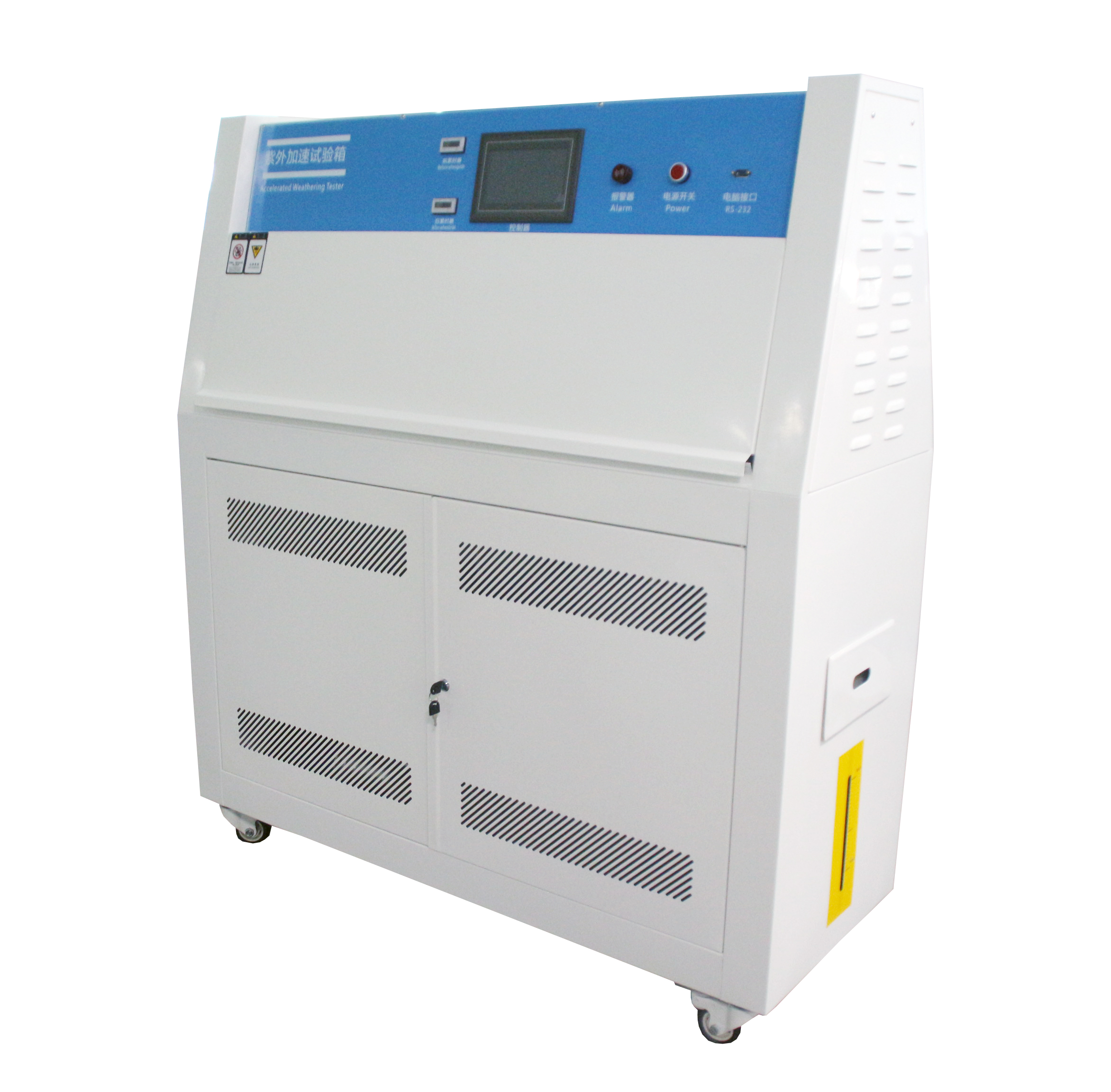
Prolonged sunlight exposure is the biggest challenge for window films. Poor-quality films tend to fade, wrinkle, lose heat rejection performance or emit unpleasant odors after a short period under UV radiation. The UV aging test chamber simulates long-term outdoor sunlight exposure and accelerates UV aging tests. It helps manufacturers verify the weather resistance of window films and eliminate products prone to aging and failure in advance, ensuring finished films resist discoloration and delamination after long-time sun exposure while retaining stable UV blocking and heat insulation performance.
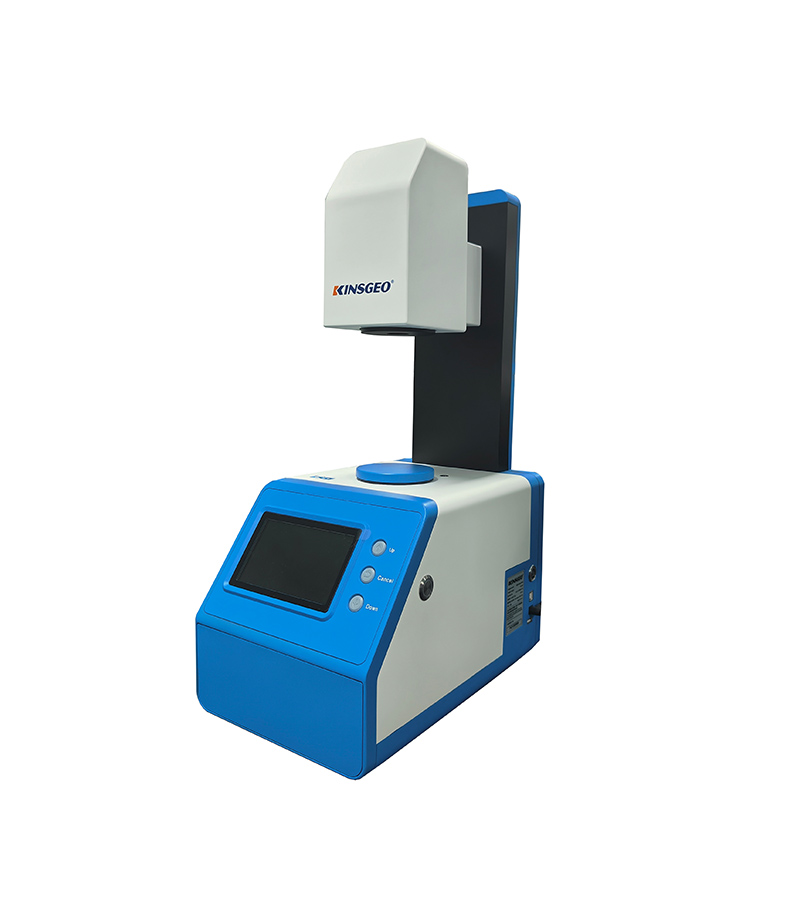
Visible light transmittance is another core indicator for window films. Especially for front windshield films, light transmission is closely related to driving vision at night and on rainy days, which matters greatly to driving safety. Only films with qualified transmittance can balance heat insulation and sun protection without impairing sight due to excessive tint.
Premium window films cannot be judged merely by touch or visual inspection. Finished products must pass standardized tests including aging resistance and light transmittance to steadily achieve UV rejection, heat reduction, fuel saving, shatter retention and privacy protection. Kejian Instrument supplies reliable testing solutions for window film manufacturers. Standardized testing helps brands control product quality, so car owners can get safe, durable and high-performance solar films.


